Cinematic Operators
Cinematic principles can operate as architectural
design mechanisms.
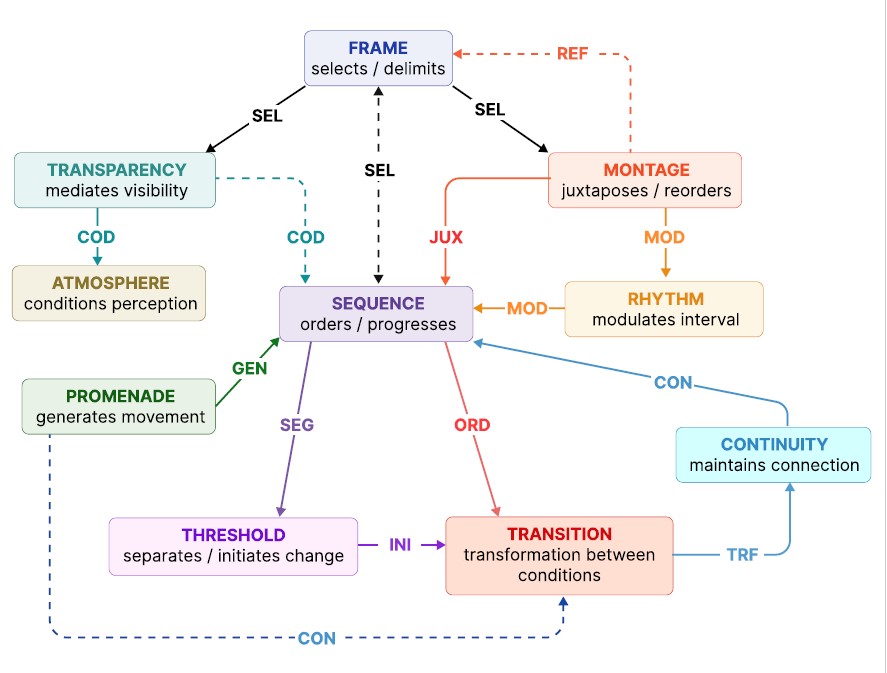
Cinematic Operators investigates how framing, sequence,
rhythm, movement, and temporal transitions can generate
spatial organisation, architectural form, and experience.
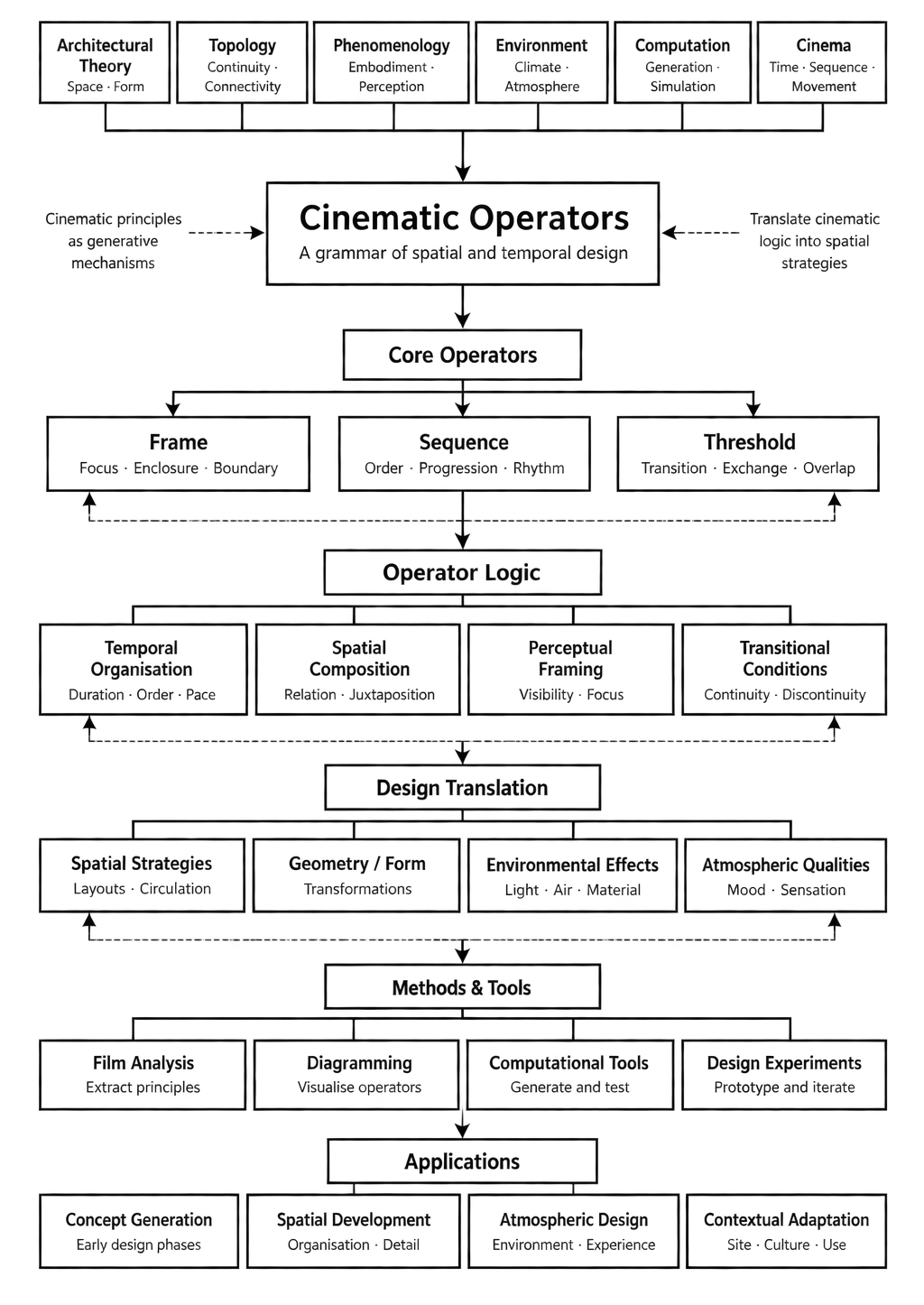
Each operator translates a cinematic principle into
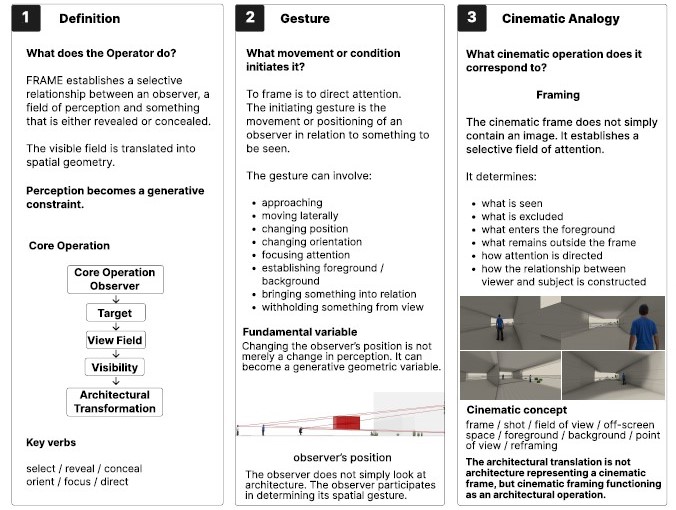
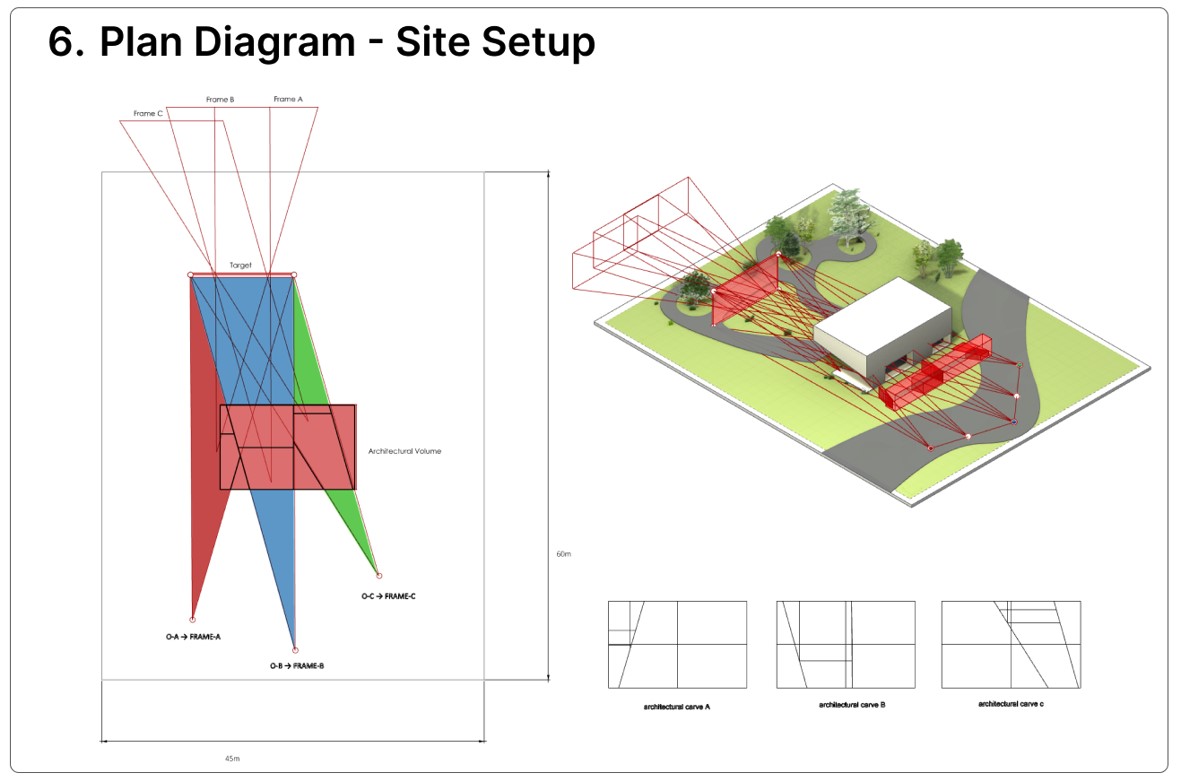
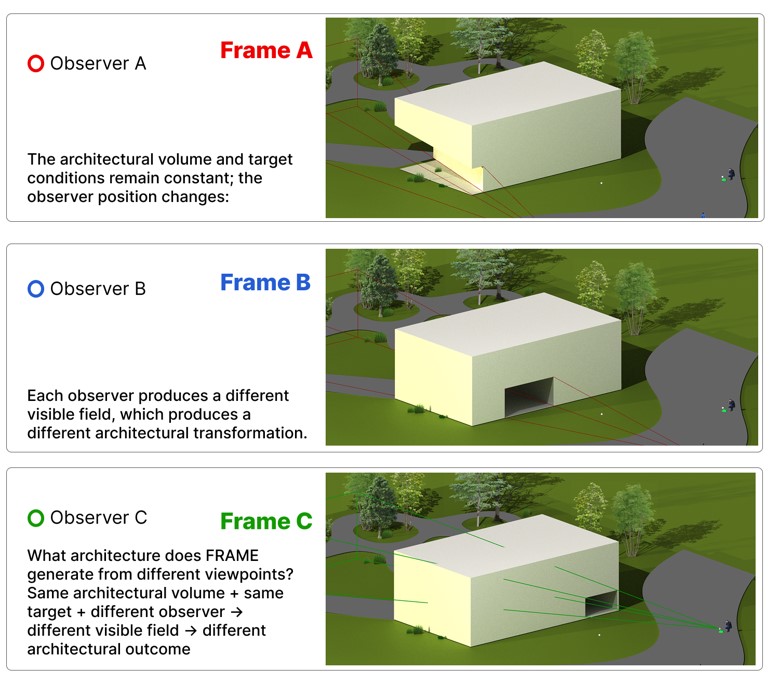
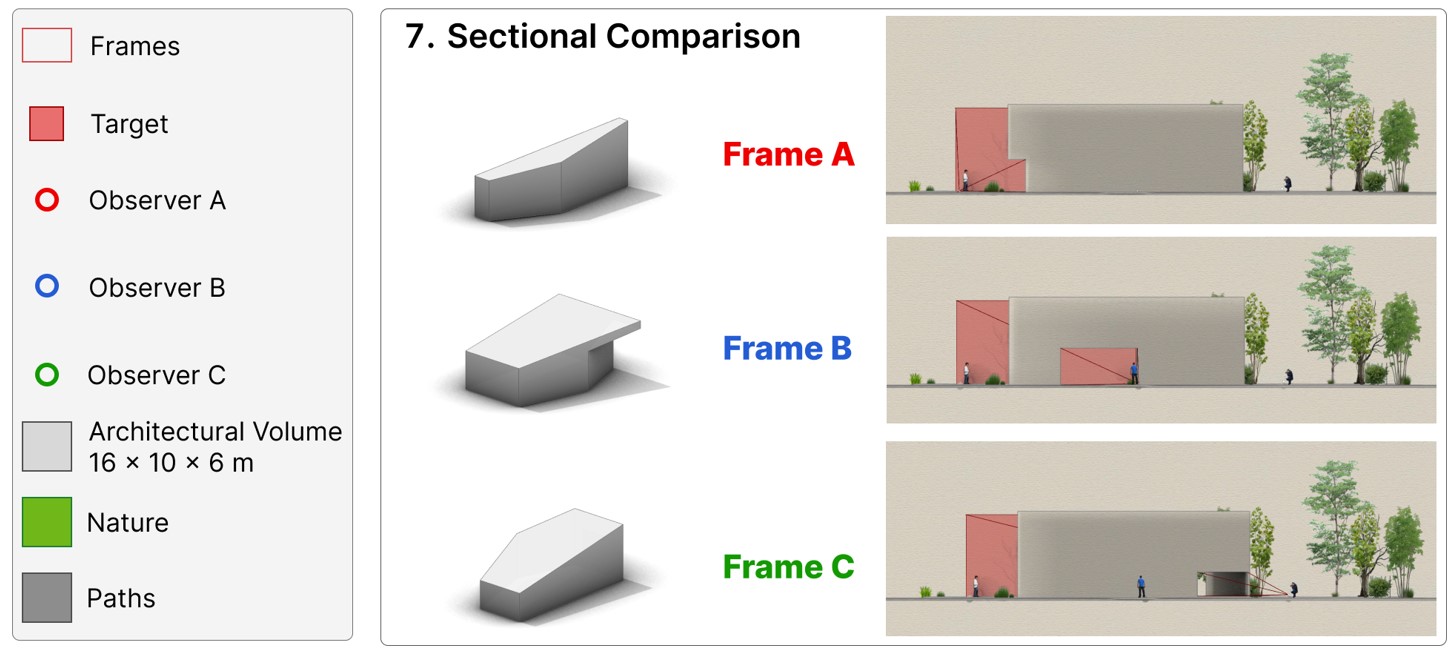
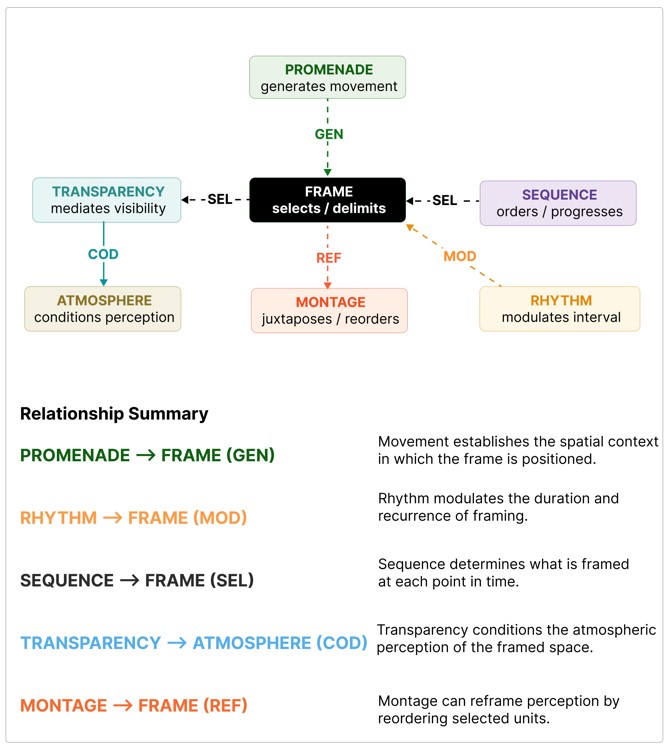
a spatial procedure. Frame establishes relations between
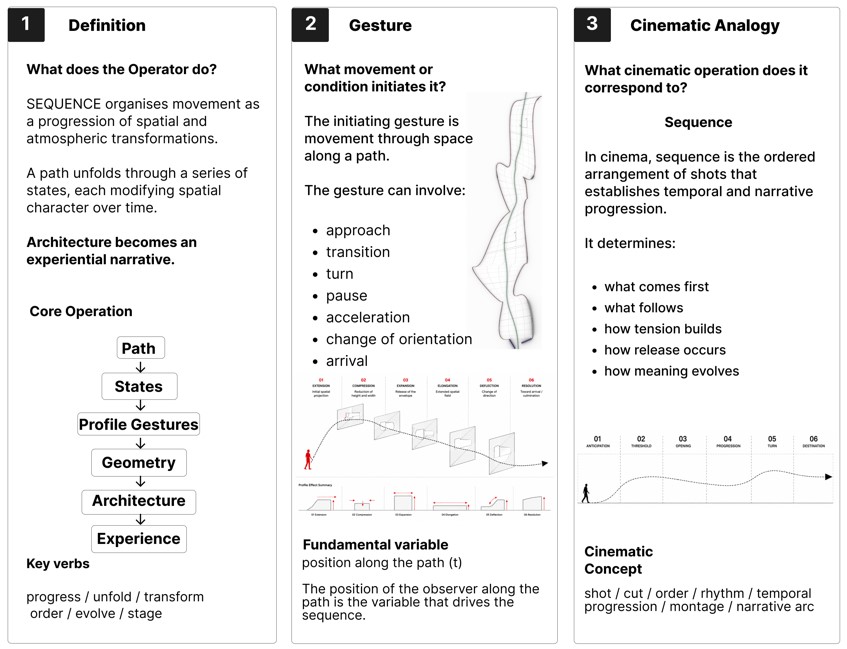
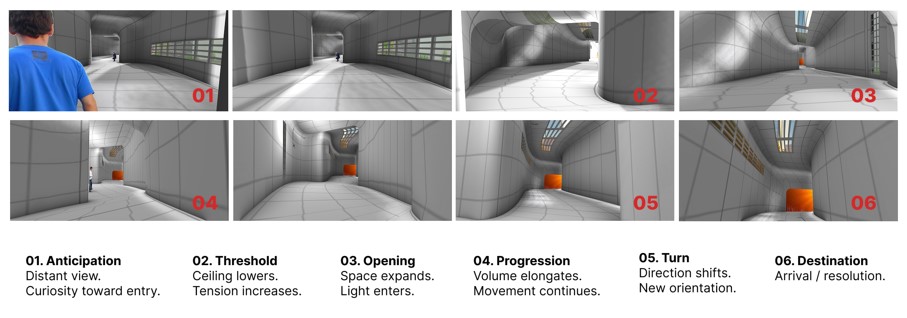
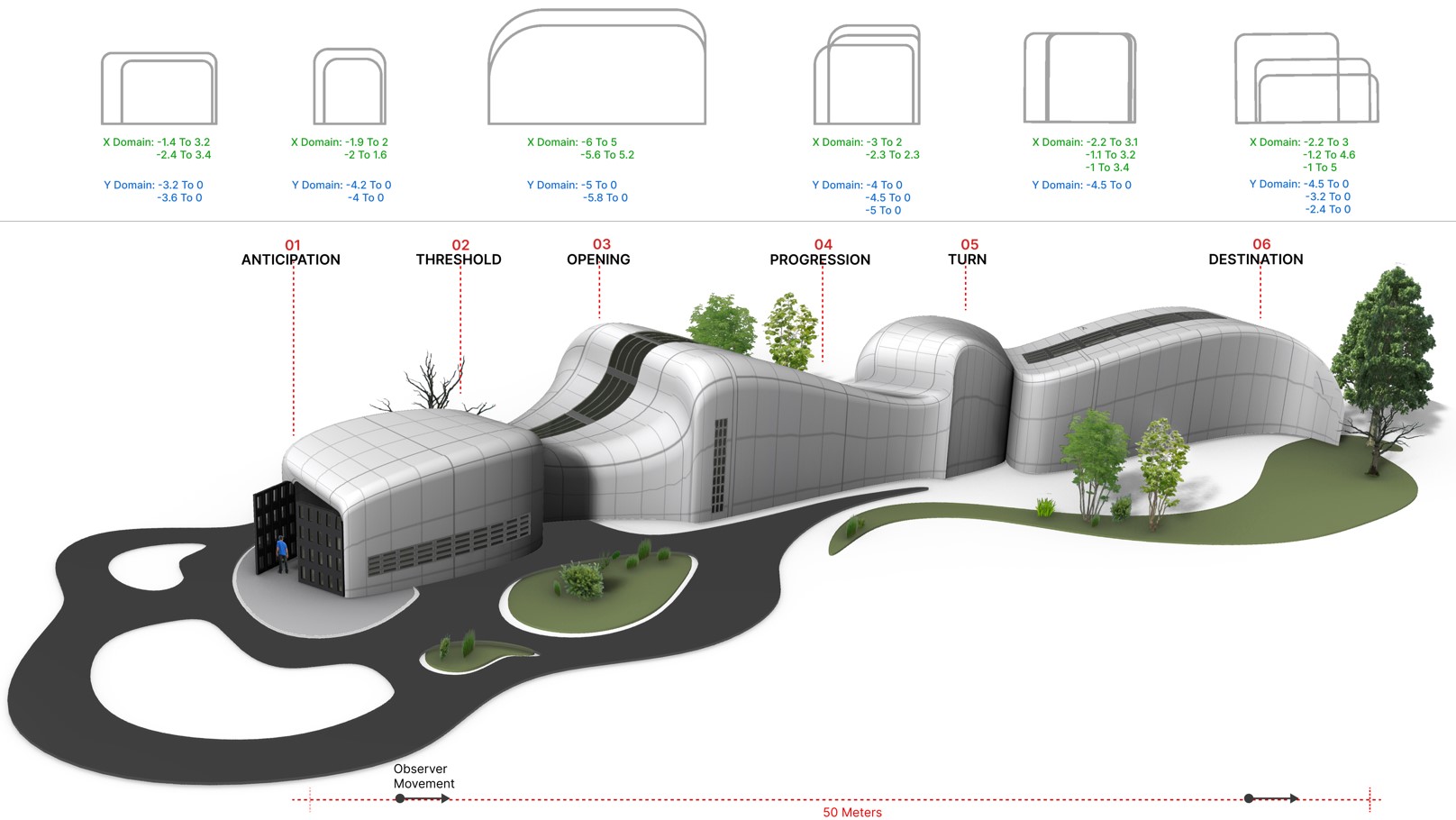
visibility, enclosure, and spatial composition. Sequence
organises movement and spatial transformation through
time. Threshold explores transitions between spaces and conditions.
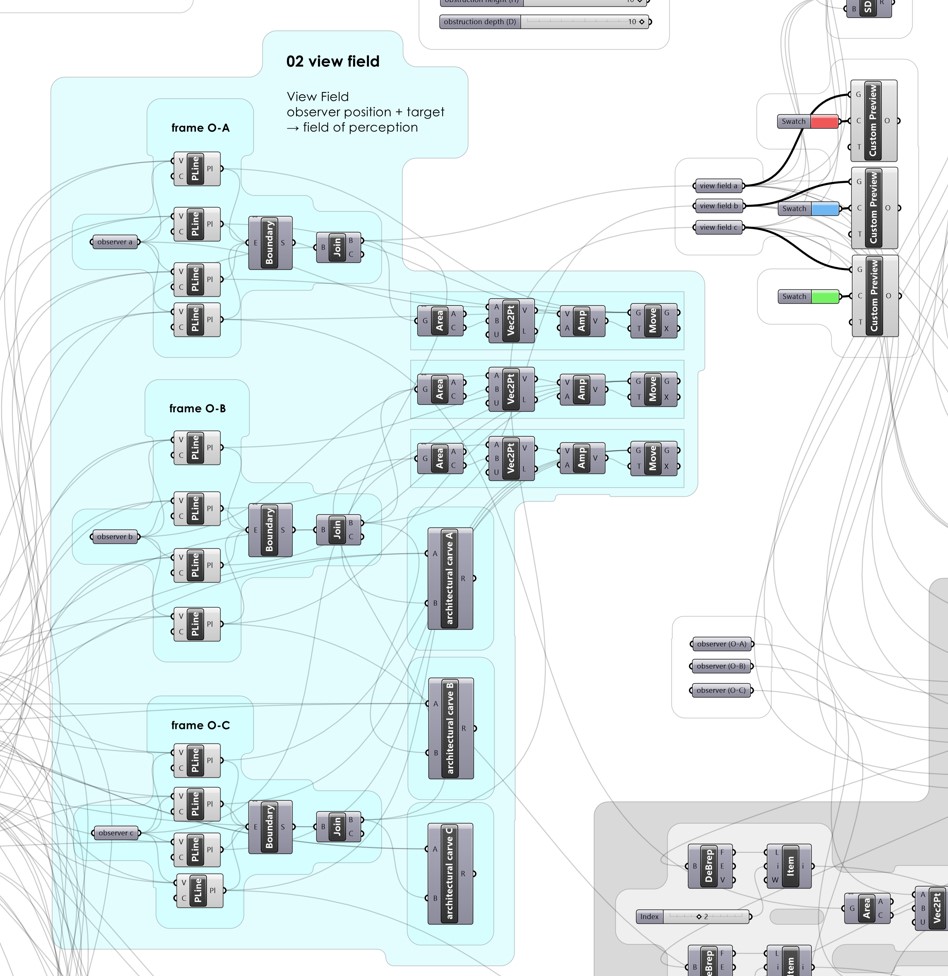
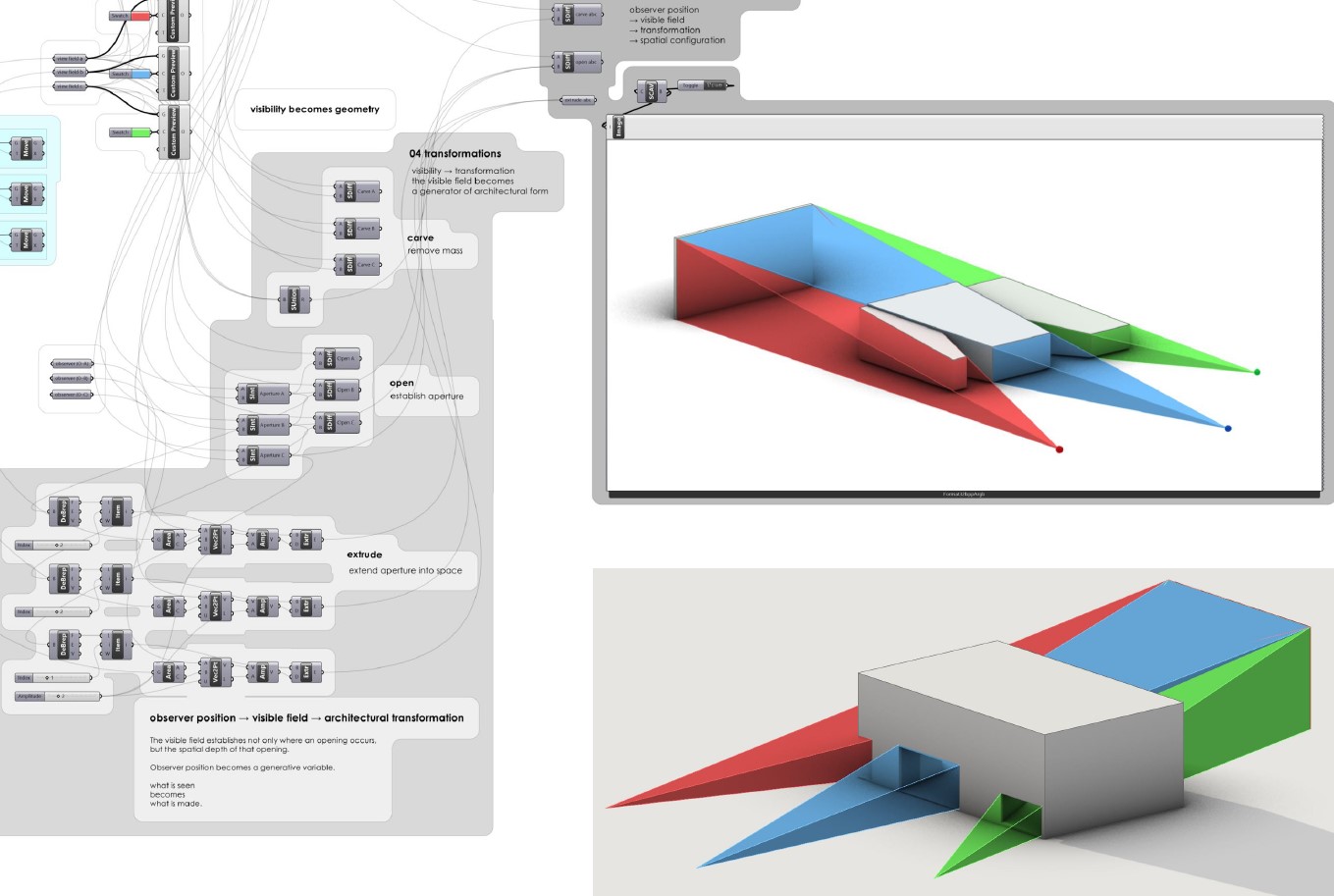
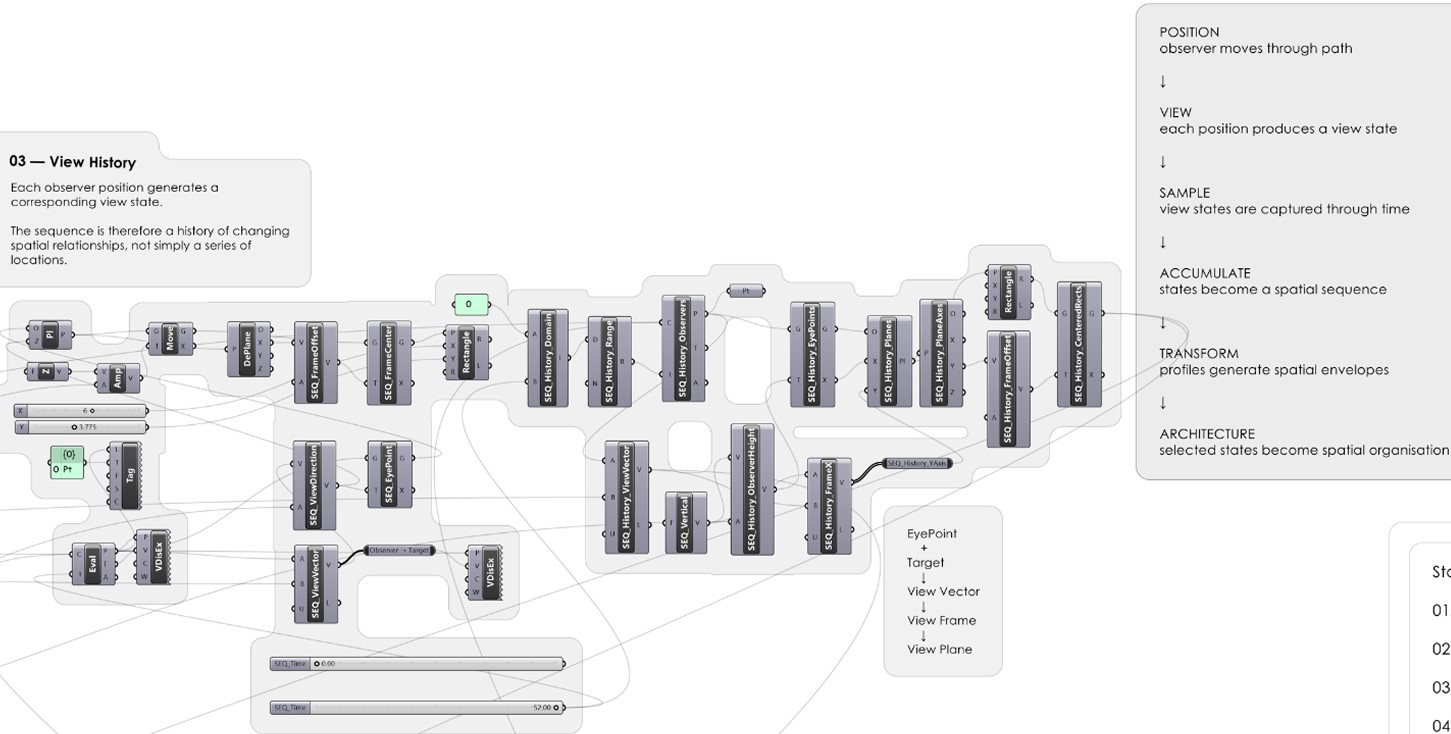
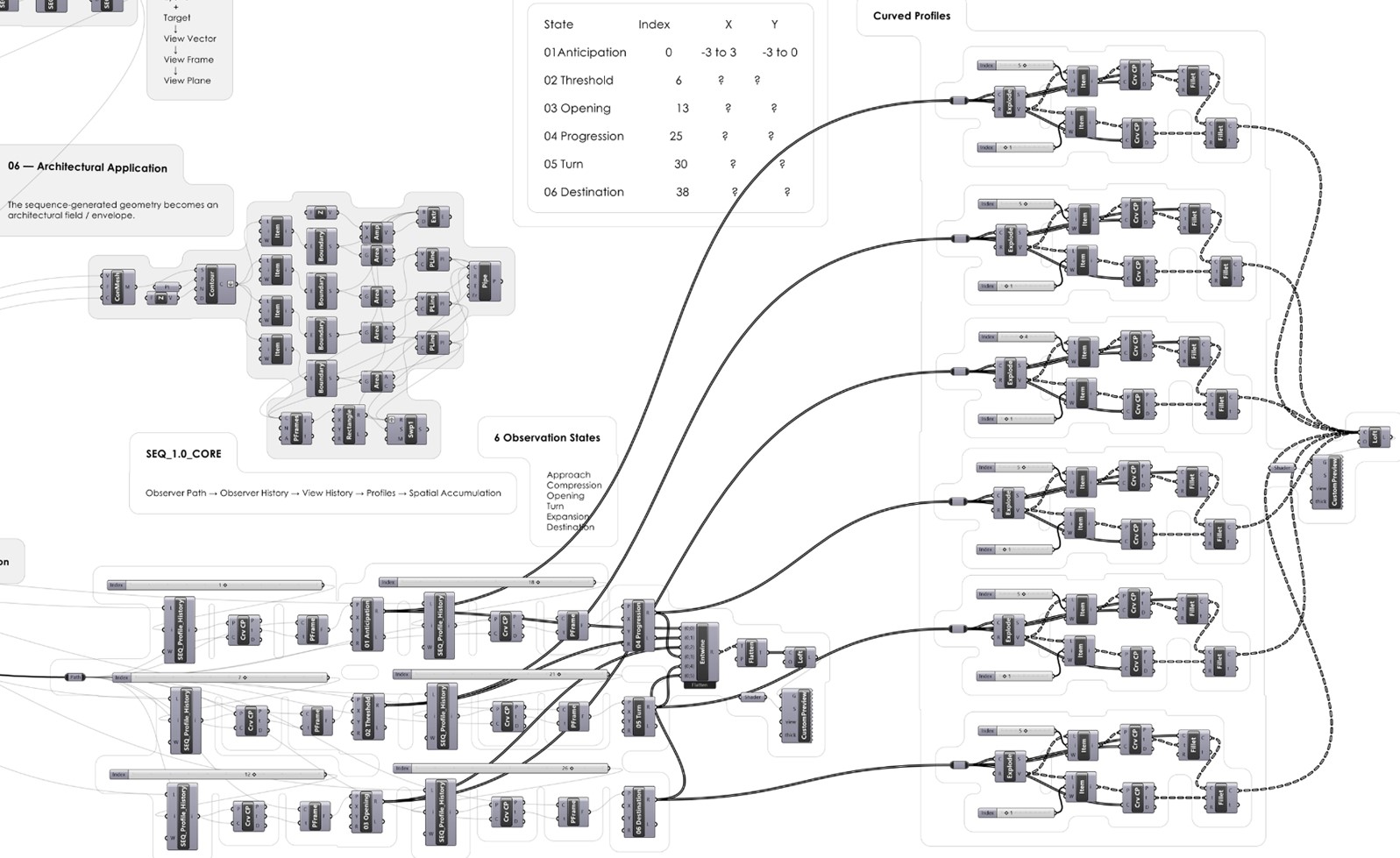
The research develops these operators through analytical
sheets, geometric rules, computational experiments, and
architectural applications. Each sheet connects cinematic
logic to spatial operations, design parameters, and
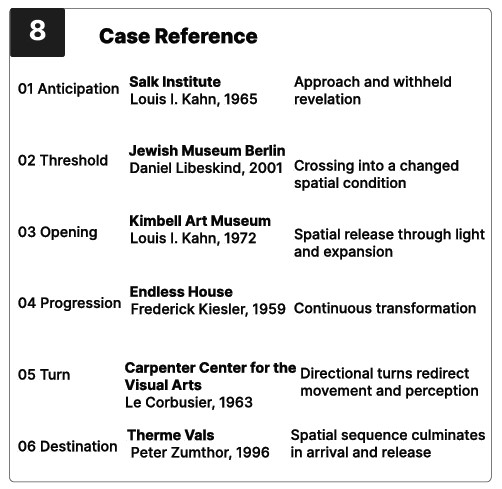
potential atmospheric effects. Together, the operators form a developing grammar for translating cinematic thinking into architectural design.